Is this course mostly lecture or hands-on practice?
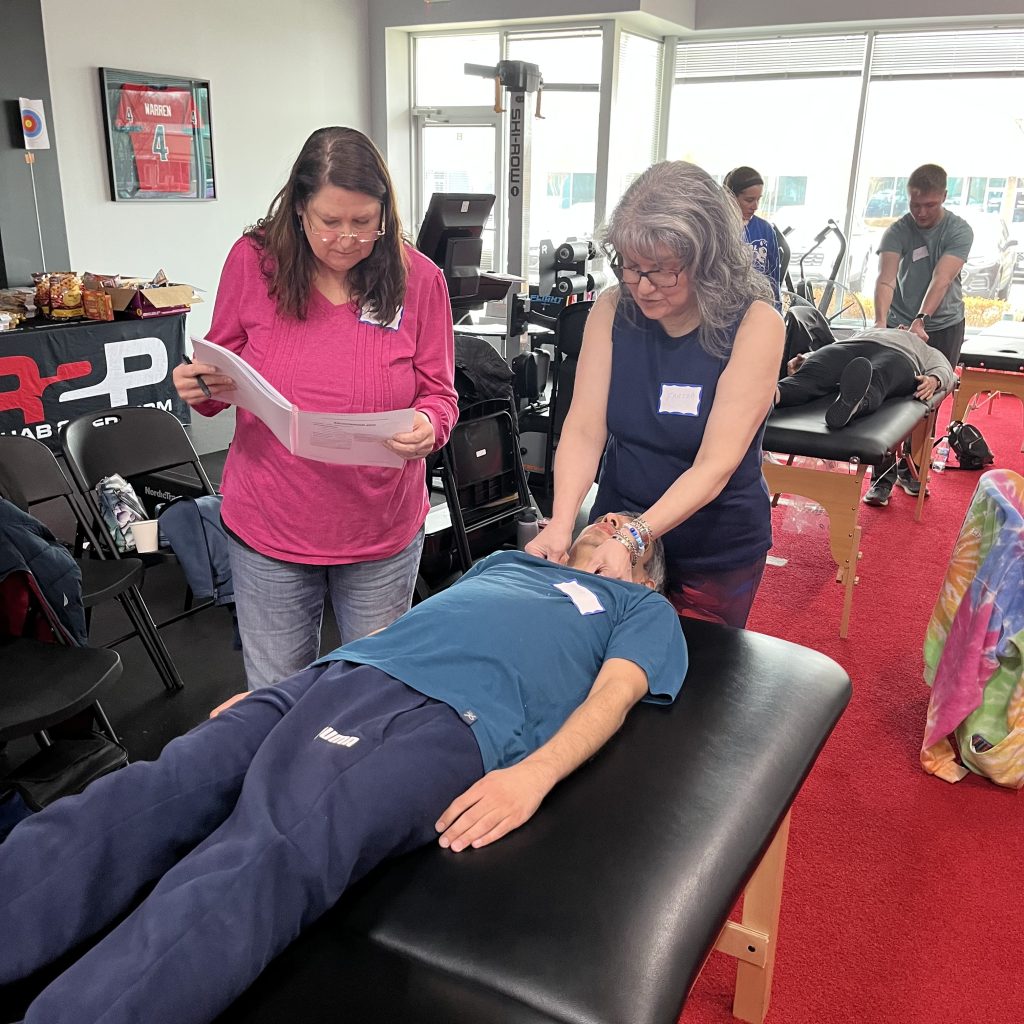
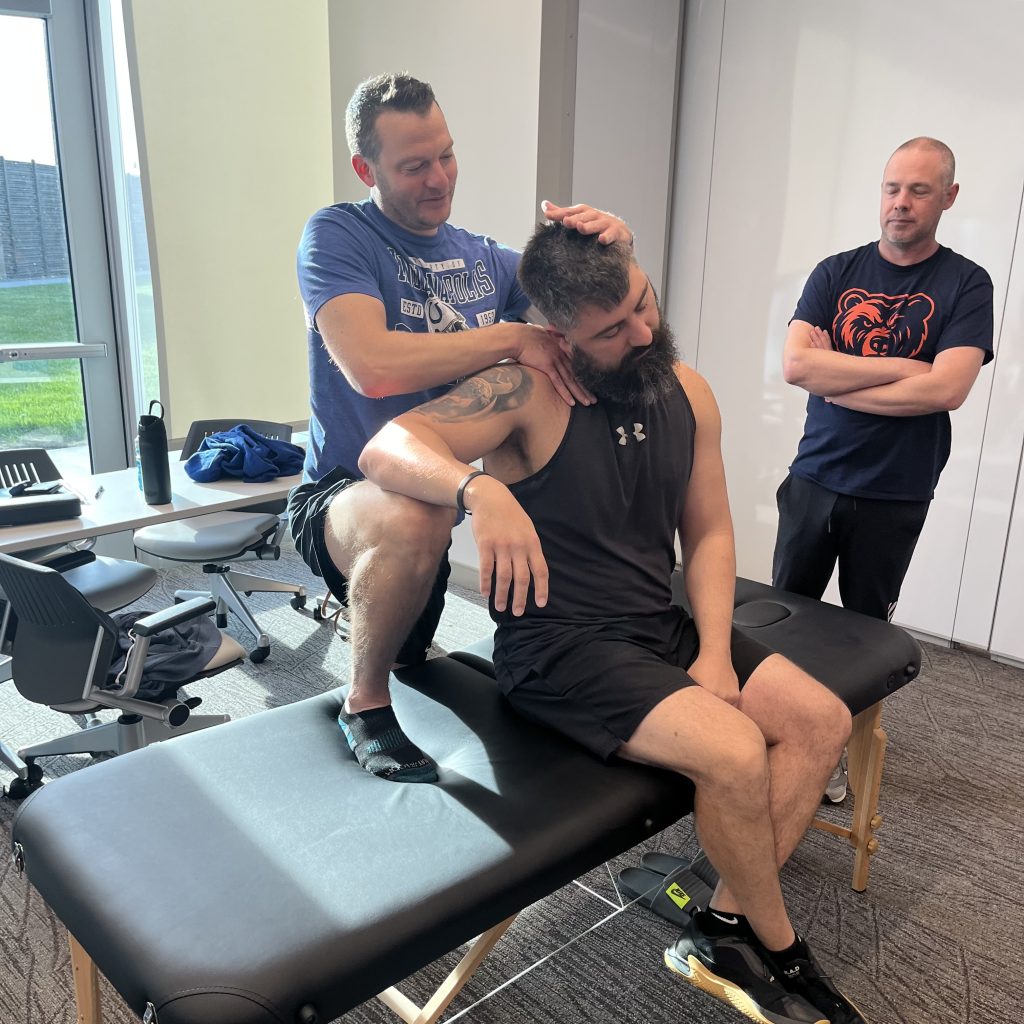
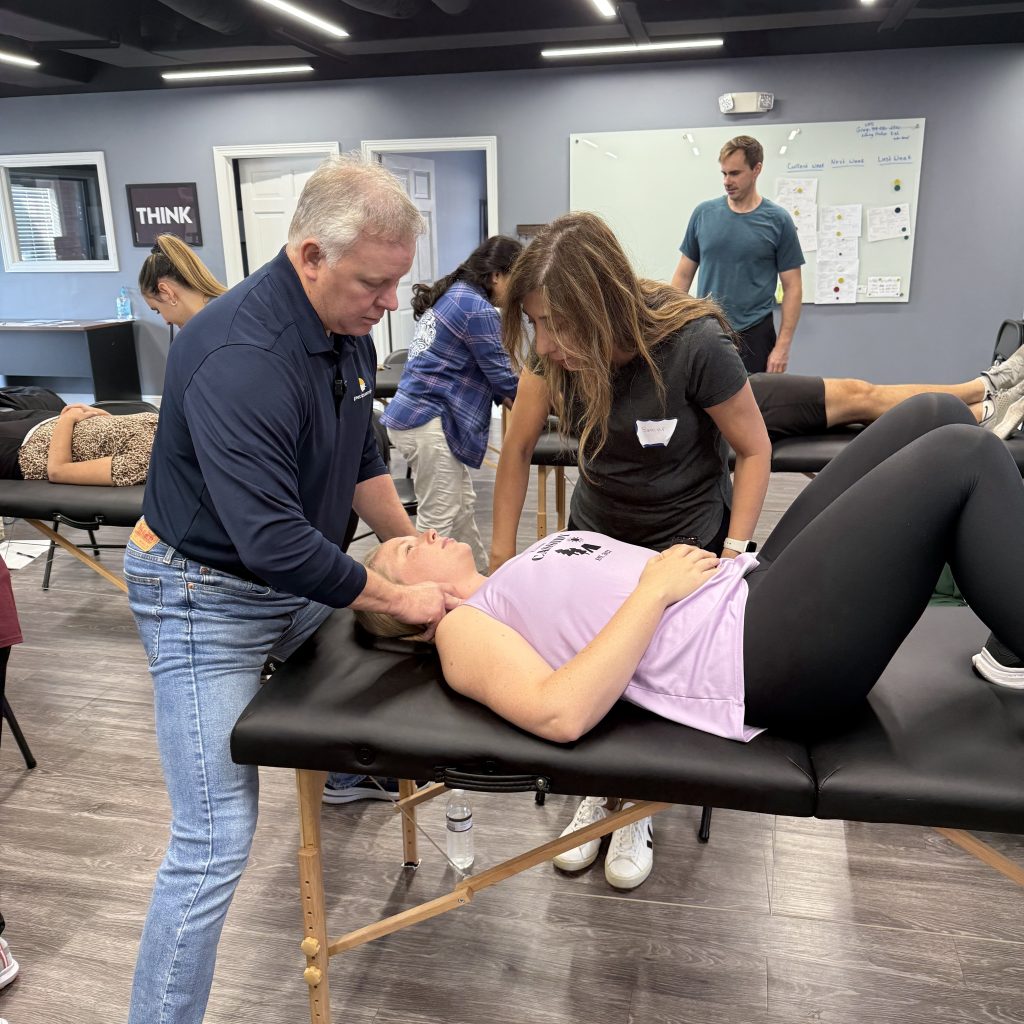
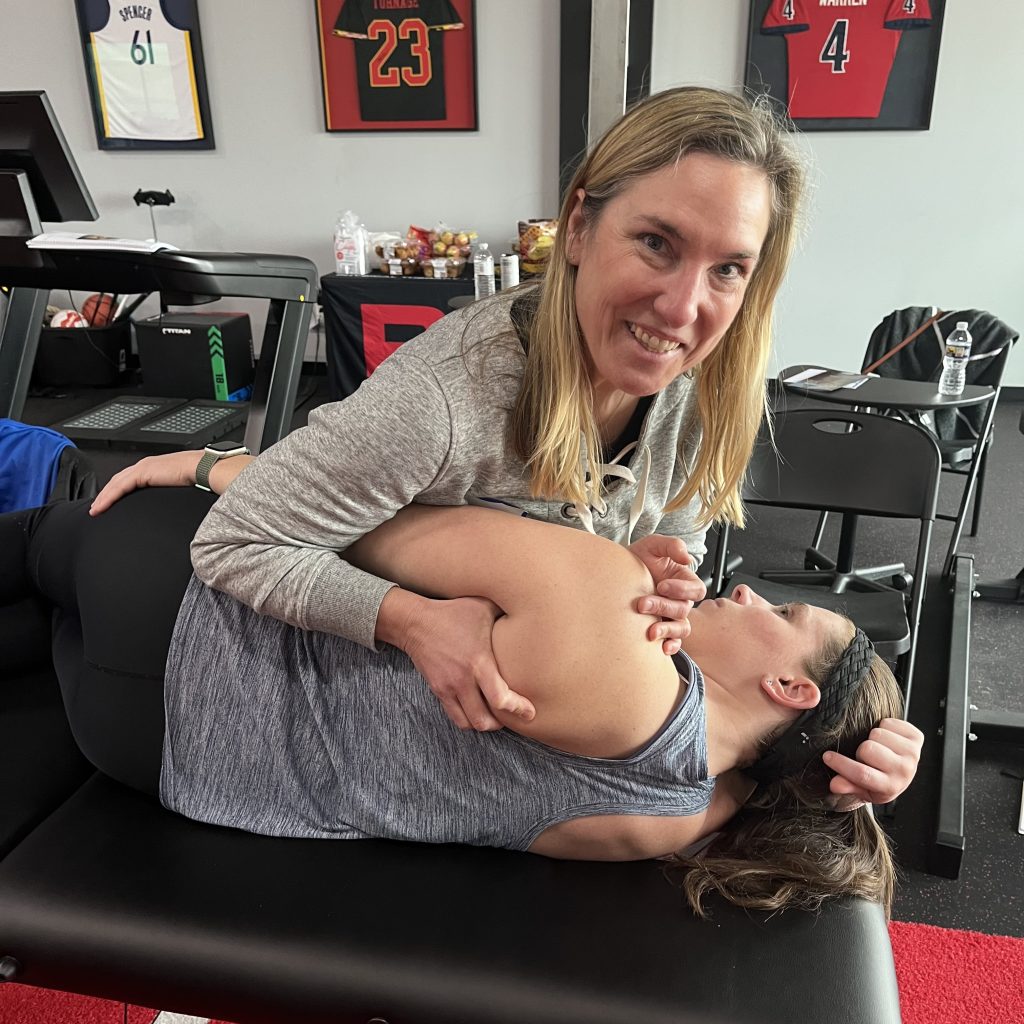
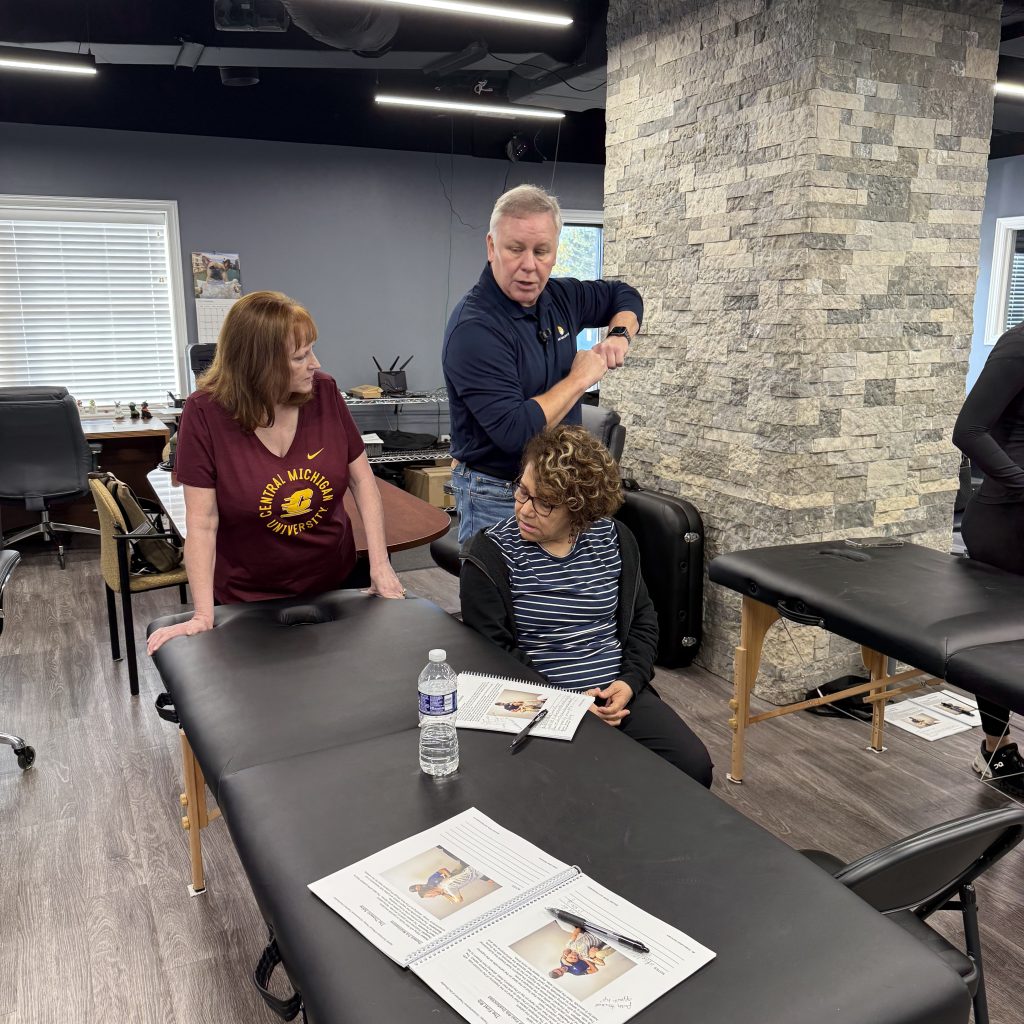
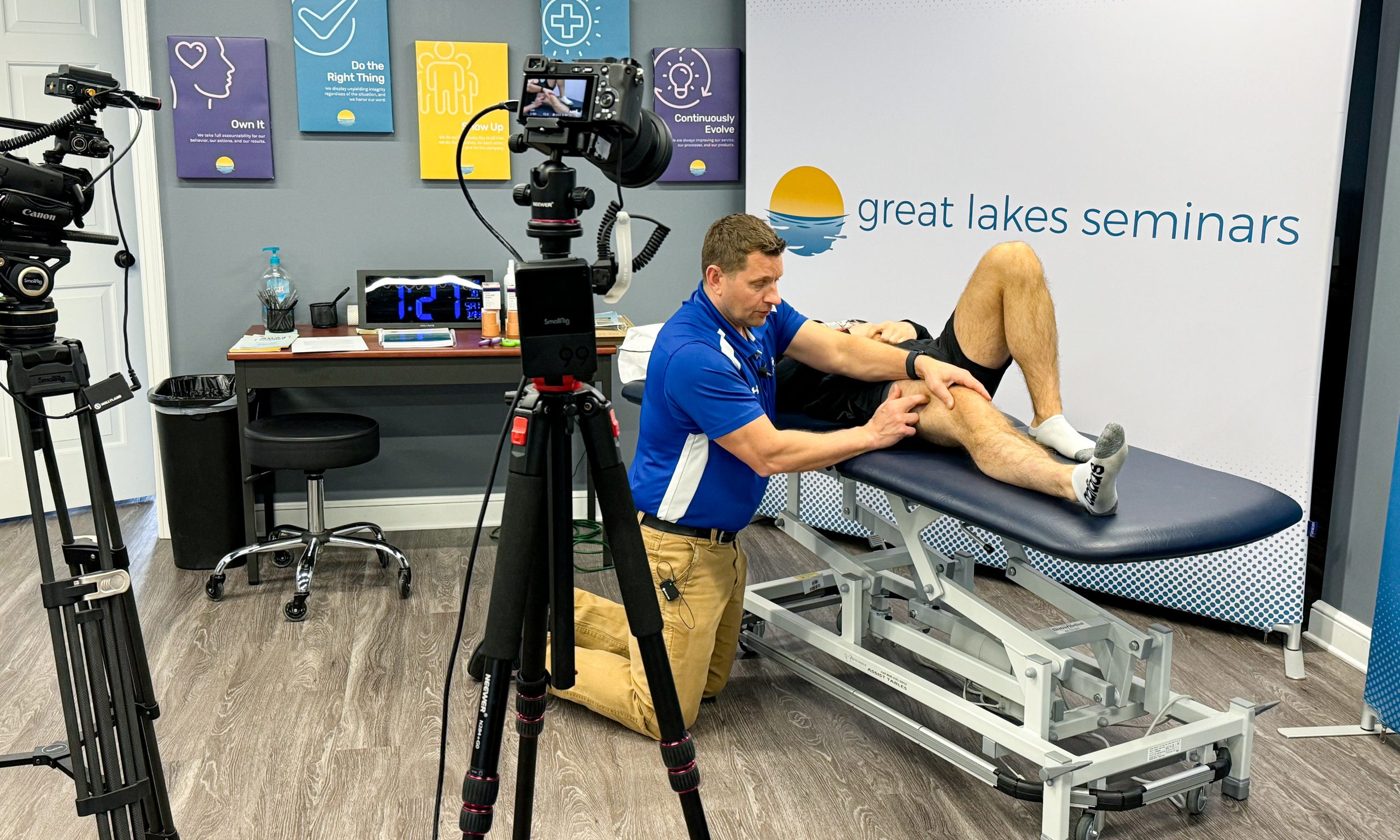
This course is at least 75% hands-on lab. While some lecture time is dedicated to reviewing anatomy, treatment principles, and the concepts of mobilization, myofascial release, taping, and muscle re-education, the majority of the course is spent practicing techniques so you leave confident applying them in the clinic.
What kinds of manual therapy techniques will I learn in this course?
You will learn mobilizations for the sternoclavicular, acromioclavicular, scapulothoracic, and glenohumeral joints, as well as the first rib and thoracic spine. In addition, you’ll practice myofascial release techniques, taping strategies for conditions like multidirectional instability, and new approaches to strengthening and movement re-education.
What is meant by “hypo-hyper compensation” and how does it apply to shoulder treatment?
Hypo-hyper compensation refers to the pattern where one area of the shoulder girdle complex is overly mobile while another is restricted. This imbalance often drives dysfunction and pain. In this course, you’ll learn how to identify these compensations and restore balance through joint mobilization, myofascial release, and exercise.
Does this course only focus on the shoulder joint itself?
No. While the glenohumeral joint is a focus, the course also emphasizes the shoulder girdle complex as a whole, including the clavicle, scapula, thoracic spine, and surrounding soft tissues. By addressing all of these regions, you’ll learn to uncover hidden drivers of shoulder pain and dysfunction.
What course materials are included?
Participants receive a full printed course manual with detailed anatomical overlays, a physical cheat sheet for quick clinical reference, and a video cheat sheet emailed after the course to reinforce the techniques. You’ll also receive a post-course follow-up video from the instructor to help integrate what you’ve learned into your clinical practice.
What will I be able to do differently in the clinic after completing this course?
You’ll be able to systematically assess the shoulder complex, identify the true driver of dysfunction, and apply mobilizations, myofascial release, taping, and re-education strategies with confidence. The goal is to help you achieve faster, more lasting outcomes for your shoulder patients.
Does this course count toward the CIMT certification?
Yes. Comprehensive Treatment of the Shoulder is one of the nine prerequisite courses needed to enroll in Synthesis, the manual therapy certification course.
What should I wear to the course?
Please wear comfortable athletic clothing. We recommend bringing or wearing shorts and a tank top.
Is there any pre-course work required before attending this course?
There is no required pre-course work for this course. However, we provide optional prework materials that you can review ahead of time to help you feel more prepared. These materials are designed to introduce key concepts and set you up for success, but they are not necessary to understand or benefit from the course. Reviewing the prework is completely optional and does not impact the number of continuing education hours (CEUs) you will receive.